Introduction
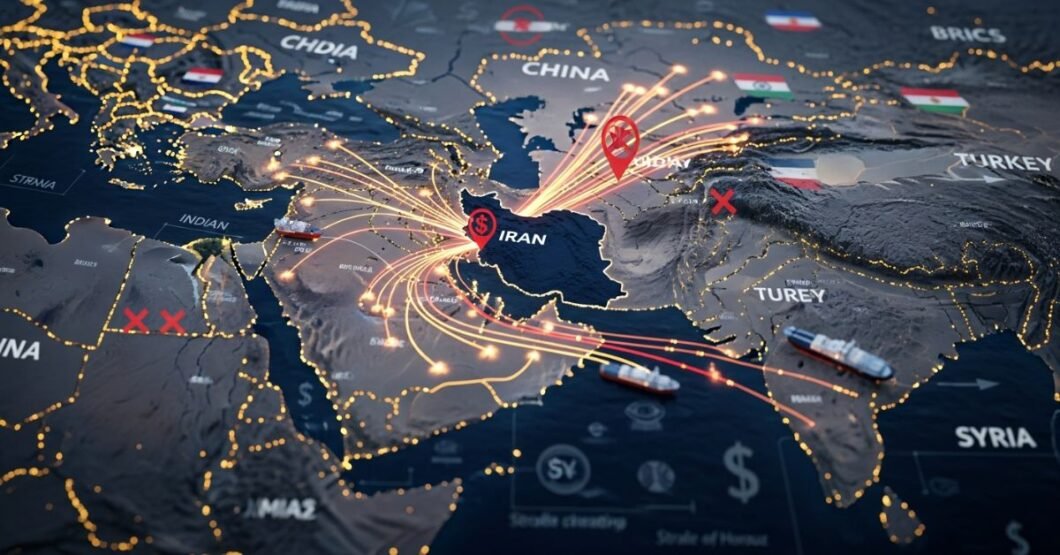
Iran holds some of the world’s largest proven oil reserves yet due to decades of international sanctions, its crude rarely flows through conventional channels. So, who buys most of Iran’s oil? The answer lies at the intersection of geopolitics, economic necessity, and strategic defiance of Western-led trade restrictions.
In 2026, this question carries even more weight. As global energy markets face new disruptions from escalating tensions in the Middle East to the growing influence of BRICS nations challenging dollar-based oil trade Iran’s crude exports remain both politically sensitive and strategically vital. Understanding who purchases Iranian oil, and why, reveals broader truths about energy security, sanctions enforcement, and geopolitical alliances.
This article explores Iran’s primary oil buyers, the shadowy mechanisms behind these transactions, the geopolitical implications, and the two major developments in 2026 that are reshaping this landscape.
Iran’s Oil Production and Export Landscape in 2026
Despite being one of OPEC’s founding members and holding the world’s fourth-largest proven crude reserves, Iran operates far below its production potential. International sanctions primarily from the United States have limited Iran’s ability to sell oil openly on global markets, resulting in significant revenue losses and hindering the country’s economic growth.
Key Production Stats (2026 Estimates):
MetricValueProven Reserves~ 157 billion barrels Daily Production: ~3.2 million barrels/day Sanctioned Export Capacity: ~1.4–1.8 million barrels/day Top Export Destination China
Despite these restrictions, Iran continues to export substantial volumes through alternative trade channels, often involving intermediary nations, ship-to-ship transfers, and cryptocurrency settlements.
China: The Dominant Buyer of Iranian Crude
When exploring who buys most of Iran’s oil, the answer overwhelmingly points to China. In 2026, China remains Iran’s single largest crude oil customer, absorbing an estimated 85–90% of all Iranian oil exports.
Why China Buys Iranian Oil:
- Discounted pricing: Iranian crude sells at $8–$15 below the Brent benchmark.
- Energy security: Diversifies away from Middle East Gulf State dependencies
- Strategic alignment: Both nations share anti-Western geopolitical interests.
- BRICS solidarity: Trade in yuan reduces dollar dependency
Year Est. Chinese Imports of Iranian Oil (bpd) 2020~600,0002023~1.1 million2026~1.5 million
China routes these purchases through independent “teapot” refineries and uses intermediary trading companies to avoid direct sanctions exposure.
Syria and Strategic Allies: Oil for Political Loyalty
Beyond commercial transactions, Iran supplies crude to political allies most notably Syria where oil acts as a lifeline for regimes that share Tehran’s regional objectives.
Iran-Syria Oil Dynamics:
- Iran has historically supplied Syria with heavily discounted or free oil.
- These shipments sustain Assad-linked governance structures.
- Delivered primarily via tanker through the Mediterranean, often flagged under third-party registries
While volumes are relatively small compared to Chinese imports, these deliveries represent political investments rather than economic transactions, as they help maintain alliances and influence in the region amidst ongoing geopolitical tensions.
India’s Complicated Relationship With Iranian Oil
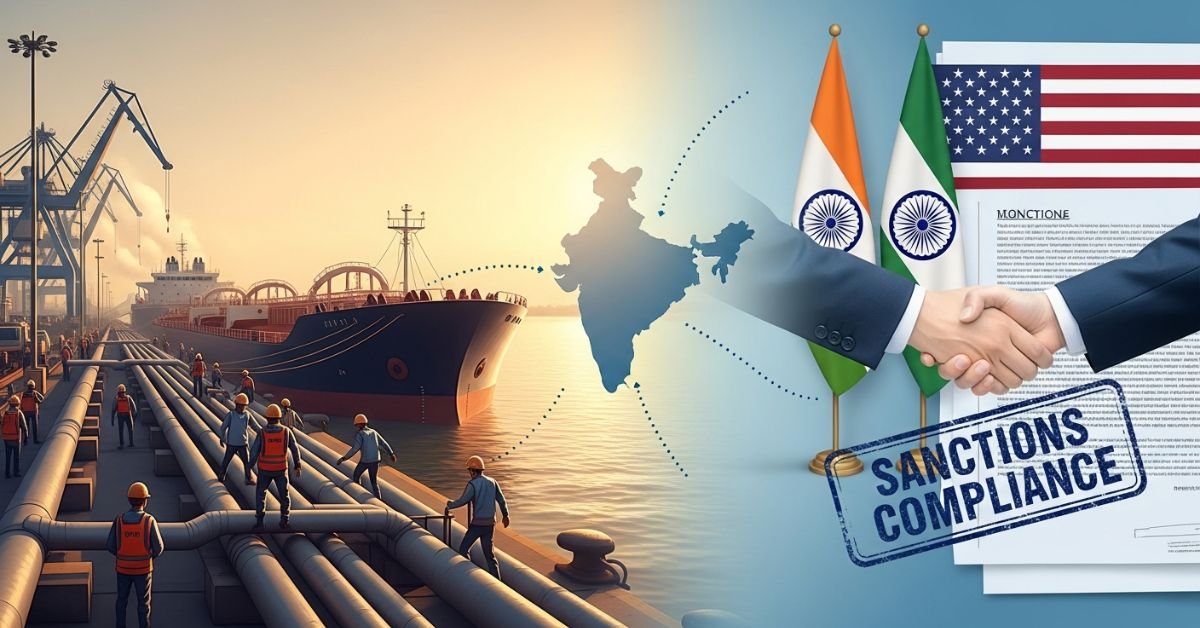
India was once Iran’s second-largest oil customer. However, under U.S. sanctions pressure, Indian imports dropped sharply after 2019. In 2026, the situation presents a complex picture.
Current Status:
- Official imports remain near zero due to sanctions compliance.
- Informal channels and intermediary trading remain topics of investigation.
- India’s growing energy demands make Iranian discounts attractive.
| India-Iran Oil Trade | Pre-Sanctions (2017) | Post-Sanctions (2026) |
| Official Imports (bpd) | ~500,000 | ~0 (officially) |
| Strategic Interest Level | High | Still High |
| Sanctions Compliance | Partial | Full (publicly) |
India delicately balances its need for energy with its diplomatic ties to Washington.
Turkey, Iraq, and Other Smaller Buyers
Several nations maintain varying degrees of trade with Iran, though at much smaller volumes and often through opaque mechanisms.
Notable Buyers:
- Turkey has historically purchased Iranian gas and oil, but these purchases have reduced since sanctions intensified.
- Iraq: Despite being neighbors, Iraq’s own oil surplus limits direct purchases, though fuel swaps occur.
- Venezuela: Both sanctioned, they occasionally exchange crude for refined products.
| Country | Trade Type | Volume Level |
| Turkey | Gas + limited oil | Low |
| Iraq | Fuel swaps | Minimal |
| Venezuela | Barter exchange | Low |
These smaller trade relationships reflect Iran’s attempts to diversify beyond its reliance on China.
How Iranian Oil Evades Sanctions: The Shadow Fleet
Iran has developed one of the world’s most sophisticated sanctions-evasion networks. Known as the shadow fleet, this involves:
Evasion Tactics:
- Ship-to-ship transfers in open waters
- AIS transponder shutoffs to hide vessel locations
- Flag-switching using registries from countries with lax enforcement
- Cryptocurrency payments to bypass SWIFT banking restrictions
| Evasion Method | Detection Difficulty |
| Transponder Manipulation | High |
| Shell Company Trading | Very High |
| Crypto-Based Settlements | Moderate–High |
These methods allow Iran to maintain export volumes despite heavy Western pressure, raising serious questions about sanctions effectiveness.
The Role of BRICS and De-Dollarization
In 2026, the BRICS bloc Brazil, Russia, India, China, South Africa, and newer members including Iran itself are actively challenging the U.S. dollar’s dominance in global trade. This has direct implications for Iranian oil sales.
Key Developments:
- Iran now settles most Chinese oil trades in yuan or digital currencies.
- BRICS nations are developing alternative payment systems to SWIFT.
- Russia and Iran share sanctions-resistance strategies.
| BRICS Initiative | Impact on Iranian Oil Trade |
| Yuan-based oil settlements | Reduces dollar dependency |
| Alternative SWIFT systems | Enables sanctioned trade flow |
| Joint energy partnerships | Strengthens political alliances |
The de-dollarization movement directly empowers nations like Iran to sustain exports despite Western financial restrictions.
U.S. Tightens Secondary Sanctions on Chinese Refineries
In early 2026, the United States intensified its enforcement of secondary sanctions, directly targeting Chinese independent refineries known as “teapot” refineries that process Iranian crude.
What Happened:
- The U.S. Treasury sanctioned 14 Chinese entities for facilitating Iranian oil imports.
- Several shipping companies were blacklisted for involvement in shadow fleet operations.
- Chinese banks faced increased scrutiny for processing related payments.
| Sanction Action (2026) | Target |
| Entity Sanctions | 14 Chinese refining companies |
| Shipping Blacklists | 8 tanker operators |
| Banking Restrictions | 3 regional Chinese banks |
This escalation created temporary disruptions in Iranian export volumes and increased tensions between Washington and Beijing raising questions about whether sanctions can truly halt the flow of Iranian crude.
Iran-China 25-Year Strategic Agreement Deepens Energy Ties
Simultaneously, Iran and China continued implementing their landmark 25-year strategic cooperation agreement, originally signed in 2021. In 2026, this pact entered a new phase focused explicitly on energy infrastructure.
New Developments Under the Agreement:
- Construction of dedicated Iranian crude storage facilities in Chinese ports
- Joint investment in pipeline infrastructure connecting Iranian fields to export terminals
- Technology transfer for refinery modernization inside Iran
- Long-term purchase guarantees at fixed discount rates
| Agreement Element | 2026 Status |
| Storage Facilities (China) | Under construction |
| Pipeline Infrastructure | Planning phase |
| Refinery Modernization | Active technology transfer |
| Fixed Pricing Contracts | Operational |
This agreement essentially guarantees China as Iran’s dominant buyer for decades regardless of Western sanctions pressure. It represents a fundamental shift in how energy alliances operate outside Western-controlled systems, indicating that countries like China are increasingly willing to engage with Iran despite international sanctions, thereby altering the dynamics of global energy security.
What This Arrangement Means for Global Energy Security
Understanding who purchases the majority of Iran’s oil goes beyond trade data, as it unveils the evolving dynamics of global power dynamics.
Broader Implications:
- Sanctions effectiveness is declining as alternative financial systems emerge.
- Energy alliances are increasingly geopolitical rather than purely economic.
- Middle East stability depends on how these trade relationships evolve.
- The petrodollar system faces its most significant challenge in decades.
| Geopolitical Shift | Impact Level |
| De-dollarization of oil | Very High |
| BRICS energy cooperation | High |
| U.S. sanctions enforcement | Moderate |
| Middle East realignment | High |
The global energy map is being redrawn and Iran’s oil trade sits at the center of that transformation.
FAQs
Who will buy most of Iran’s oil in 2026?
China purchases approximately 85–90% of Iran’s crude oil exports.
Does India still buy oil from Iran?
Officially no, though informal channels and strategic interest remain.
How does Iran sell oil despite sanctions?
Through shadow fleets, ship-to-ship transfers, transponder shutoffs, and cryptocurrency payments.
What role does BRICS play in Iranian oil trade?
BRICS facilitates alternative payment systems and de-dollarization, enabling Iran to bypass Western financial restrictions.
Are U.S. sanctions on Iran effective?
Partially they limit official trade but have not stopped Iranian exports through alternative channels, such as those facilitated by countries in BRICS that are willing to engage in trade without relying on the U.S. dollar.
Conclusion
The question of who purchases the majority of Iran’s oil provides insight into some of the most significant geopolitical dynamics of 2026. China’s dominance as Iran’s primary buyer, the growing influence of BRICS, the sophistication of sanctions-evasion networks, and the deepening Iran-China strategic partnership all paint a picture of a world increasingly divided into competing economic blocs.
For policymakers, energy analysts, and global citizens alike, these developments demand attention. The future of global energy security, dollar dominance, and international law enforcement hangs in the balance.