
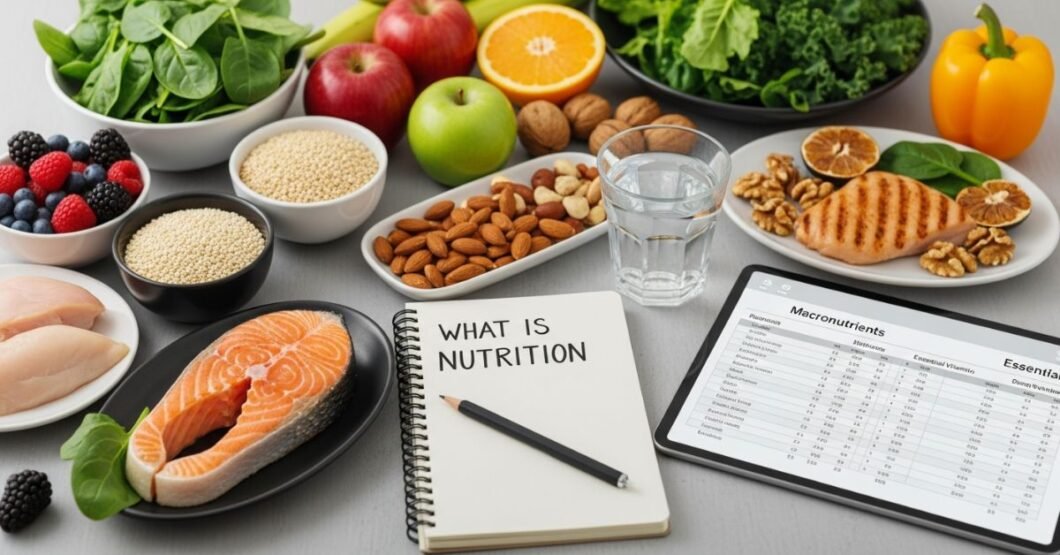
Introduction
In our fast-paced, modern world, health awareness is growing but so is confusion. With endless supplements, fad diets, and lifestyle influencers everywhere, many people are still unsure of one fundamental question: what is nutrition, and why does it matter every single day?
At its core, nutrition is the process by which our bodies obtain, use, and transform food into crucial building blocks for energy, repair, and growth. It involves everything from the vitamins in your morning smoothie to how your cells metabolize glucose. And in 2026, understanding nutrition is more important than ever as global health challenges, food processing technologies, and personalized diets shape the way we eat.
In this guide, we’ll break down the science of nutrition without jargon, explore its role in disease prevention and wellness, and empower you with practical tools to nourish your body in smarter, sustainable ways. In this article we know what is nutrition.
Defining Nutrition: More Than Just Food Intake
Nutrition is more than just what we eat; it’s the relationship between diet, health, and cellular biology. It encompasses how nutrients are digested, absorbed, transported, and utilized by the body to perform all essential functions.
Key Components of Nutrition:
- Macronutrients: Carbohydrates, proteins, and fats
- Micronutrients: Vitamins and minerals
- Water: Often underrated, but vital for every body system
- Fiber: Supports digestion and overall gut health
Proper nutrition provides the foundation for physical and cognitive function, and it’s the first line of defense against chronic disease.
Macronutrient Breakdown: Essential Building Blocks for Daily Nutrition
Macronutrients are nutrients the body needs in large amounts to function properly. Each one plays a unique and essential role in maintaining health.
| Macronutrient | Primary Role | Common Sources | Daily Needs (Avg.) |
| Carbohydrates | Energy fuel | Grains, fruits, vegetables | 45–65% of total daily calories |
| Proteins | Tissue repair and muscle growth | Meat, legumes, dairy | 10–35% of daily calories |
| Fats | Hormone production, brain function | Nuts, oils, fish | 20–35% of daily calories |
Balancing these components is key to a stable energy system. No diet should drastically eliminate any of them entirely.
Micronutrients: Small in Size, Big on Impact
Micronutrients include essential vitamins and minerals that our body needs in smaller quantities but are absolutely vital for development, immune response, energy production, and more.
Examples of Important Micronutrients:
- Vitamin D: Bone health, immune defense
- Iron: Oxygen transport in the bloodstream
- Magnesium: Nerve function and muscle control
- B Vitamins: Energy metabolism
- Zinc: Wound healing and immune function
Deficiencies in these can lead to fatigue, weakened immunity, and developmental delays, especially in growing children and older adults.
Nutritional Guidelines: How Much Should You Eat?
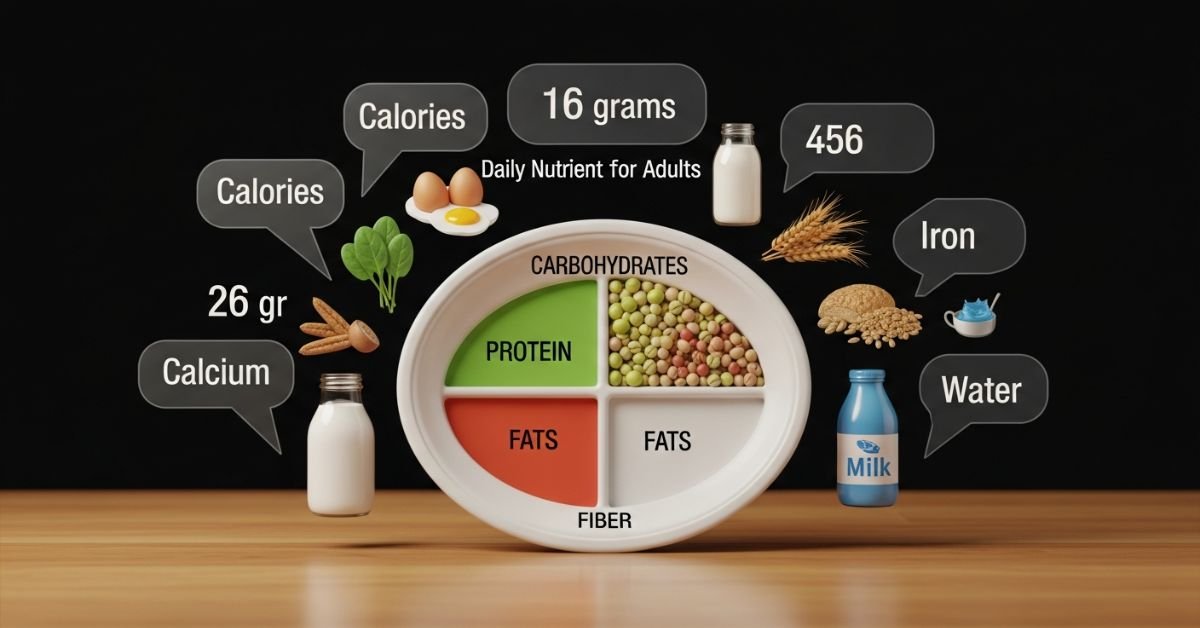
Recommended daily allowances (RDA) provide a general guideline for nutrient intake, adjusted by age, sex, health status, and activity level.
| Age Group | Calories/Day | Protein (g) | Calcium (mg) | Iron (mg) | Water (L) |
| Adult Women | 1,800–2,200 | 46 | 1,000 | 18 | 2.7 |
| Adult Men | 2,200–2,800 | 56 | 1,000 | 8 | 3.7 |
| Teens | 2,100–2,500 | 46–52 | 1,200 | 11–15 | 2.5–3.5 |
Digestive Health: It All Starts in the Gut
The digestive system plays a central role in converting food into absorbable nutrients. An unhealthy gut can lead to nutrient malabsorption, inflammation, and chronic disease.
Nutrients that support digestive health:
- Probiotics (e.g., yogurt, kefir)
- Prebiotics (e.g., garlic, onions, bananas)
- Fiber-rich foods (e.g., oats, flaxseed, leafy greens)
The better your digestive microbiome, the more efficiently your body can utilize essential nutrients from your diet.
Nutrition and Disease Prevention: Food as Medicine
Your diet directly impacts your risk of developing chronic diseases such as diabetes, cardiovascular conditions, obesity, and cancer. In fact, over 60% of preventable diseases are heavily nutrition-dependent (World Health Organization, 2026).
Food-Based Solutions:
- Healthy fats (Omega-3s) reduce inflammation.
- Low-glycemic carbs stabilize blood sugar.
- Cruciferous vegetables contain cancer-fighting phytonutrients.
- Lean protein & whole grains support heart and metabolic health
For those wondering what nutrition is really about, it’s about long-term wellness, not just weight loss.
Personalized Nutrition: Moving Beyond One-Size-Fits-All
With advancements in nutrigenomics and wearable tech, personalized nutrition plans are reshaping health strategies.
Personalization Factors:
- DNA-based metabolic type
- Food sensitivities (e.g., gluten, dairy)
- Gut flora profile
- Medical history (e.g., thyroid, insulin resistance)
Apps in 2026 now sync biometric data with AI diet algorithms, offering food suggestions that cater to your personal nutrient needs and risk factors.
The Role of Hydration in Nutrient Transport
Water plays a major role in digesting food, regulating temperature, and transporting nutrients across cells.
Proper hydration leads to:
- Improved mental clarity
- Regulated digestion
- Nutrient-rich circulation
- Better energy metabolism
Aim for half your body weight in ounces of water per day, increasing with physical activity and climate exposure. Herbal infusions and electrolytes can be beneficial in hot climates or during workouts.
Nutrition Labels and Food Choices: Learn to Read Between the Lines
Understanding nutrition labels can help you make informed choices about packaged foods.
| Label Term | What It Really Means |
| “Low-Fat” | May be high in sugar or sodium instead |
| “Natural” | Unregulated; not guaranteed healthy |
| “Fortified” | Nutrients added artificially |
| “% Daily Value” | Based on a 2,000-calorie diet |
Look for ingredient lists that are short and understandable. When in doubt, go for whole, unprocessed foods over altered or artificial ones.
Nutrition in Modern Life: Practical Tips for Busy Lifestyles
Healthy eating doesn’t need to be complicated. Use the 80/20 rule: 80% whole foods, 20% flexibility.
Actionable Tips:
- Meal prep to avoid last-minute takeout
- Healthy snacks like nuts, hummus, and fruit on hand
- Understanding cravings, fatigue and dehydration often manifest as “hunger.”
- Batch cook grains and proteins for week-long use
These small habits help make nutritious choices sustainable even with a tight schedule.
FAQs
What is nutrition in basic terms?
Nutrition is the process of getting and using food to maintain health, fuel the body, and support all bodily processes.
Why is nutrition important?
It’s essential for growth, disease prevention, energy production, and overall health throughout every stage of life.
How can I tell if my diet is nutritious?
Eat various whole foods, track your energy levels and digestion, and refer to RDA guidelines based on your age and activity.
What is the difference between diet and nutrition?
“Diet” refers to the foods you consume, while “nutrition” is the biological process of breaking down and using those foods.
Can good nutrition prevent illness?
Yes, balanced nutrition supports immunity and cellular repair and can reduce the risk of chronic diseases.
Conclusion
Nutrition is not a diet trend or a one-size-fits-all concept, it’s the cornerstone of physical, mental, and emotional well-being. Whether you’re managing a health condition, pursuing fitness goals, or optimizing energy for daily life, your nutritional choices are powerful, personal, and transformative.
So, the next time you ask yourself, what is nutrition, remember, it’s everything your body needs to thrive from the inside out.