Introduction
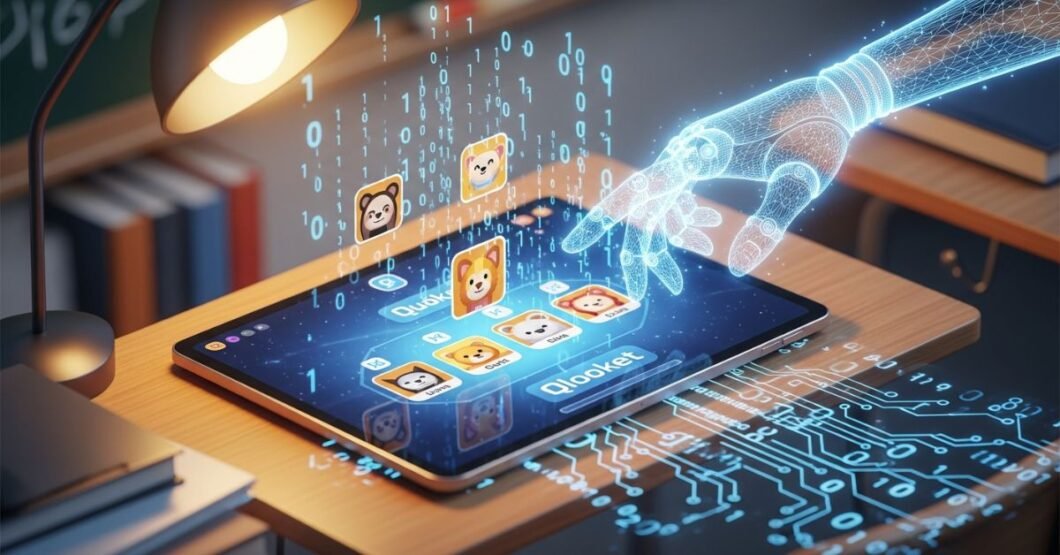
Gamified learning has revolutionized how students from elementary classrooms to corporate training programs absorb information. One of the leading platforms in this space is Blooket, a powerful game-based learning tool that transforms traditional quizzes into addictive, competitive games. As engagement with this platform grows, so does curiosity around add-ons and automation tools particularly the use of a Blooket bot.
The purpose of this article is to demystify the role of this controversial-yet-curious tool in the education-tech landscape. We’ll explain its functions, explore why some users seek it out, analyze the ethical implications of using automation in school-based games, and present better, fairer alternatives for players and educators alike. Whether you’re a parent, teacher, or student, understanding automation in educational platforms can help enhance learning, not compromise it.
Let’s explore the bigger picture of automation in gaming and how tools like the Blooket bot signal both opportunity and risks in a world driven by digital competition and student motivation.
What Is Blooket, and How Does It Work in Education?
Blooket is an online quiz game platform designed for education-oriented play. Teachers create or customize quizzes, and students join live sessions or homework challenges to earn points through correct answers and fast responses turning traditional assessment into fun.
Main components of Blooket:
- Game modes: Tower Defense, Gold Quest, Crypto Hack, and more
- Student bots (“Blooks”): Customizable avatars earned over time
- Power-ups and economy: In-game currency used to upgrade looks and buy features
- Reporting: Analytics for teachers (accuracy, participation, reward scaling)
It’s an ideal blend of play and pedagogy used across more than 700,000 classrooms globally as of early 2026.
What Is a Blooket Bot, and What Can It Do?
A Blooket bot typically refers to scripts or third-party tools designed to manipulate gameplay, automate responses, flood game lobbies, or simulate mass participation. These bots may be used by students looking for shortcuts or by pranksters testing limits.
| Bot Functionality | Impact on Game/Teacher |
| Auto-answering questions | Skews performance data |
| Flooding lobbies | Disrupts live games |
| Sending fake accounts | Can unfairly boost XP or currency |
| Auto-farming Blook coins | Devalues in-game economy |
Some are browser extensions; others are written in Unix shells or JavaScript environments. No official version of this functionality is provided or endorsed by Blooket itself, and use is a violation of their terms of service.
Why Do Users Look for Automation in Educational Games?
It’s no surprise students, especially in competitive classrooms, seek digital shortcuts. The reasons, however, are layered.
Underlying motivators often include:
- Frustration with slow XP gain or leaderboard systems
- Peer pressure to “win” regardless of how
- Curiosity or experimentation with scripts
- Belief that bots “level the playing field”
As gamified learning becomes more sophisticated, so do users trying to find unfair advantages. The search for things like a Blooket bot reflects broader dynamics of tech-based reward systems from gaming achievements to loyalty apps.
The Ethical Dilemma: When Does Automation Undermine Learning?
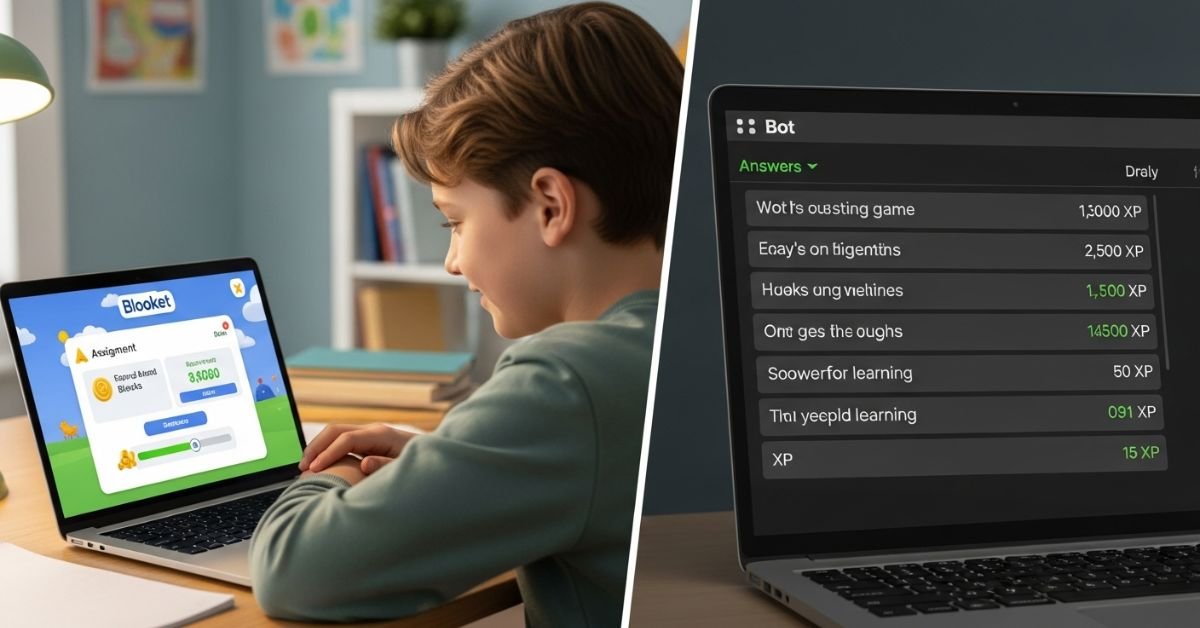
Using bots in an environment designed for developmental growth raises serious ethical questions. While online games often tolerate mods or cheat engines, school apps intersect with assessment, grading, and behavioral learning.
Key concerns include:
- Eroding integrity in self-paced learning
- Distorting classroom analytics for teachers
- Contributing to digital disobedience (breaches of agreement)
- Marginalizing students who earn results fairly
In a responsible tech usage framework, the focus should always be on empowering learning outcomes not bypassing them.
Blooket’s Official Response and Security Improvements
As demand for bots grew, Blooket’s team responded swiftly. Over 2025–2026, several backend enhancements
Have strengthened the integrity of games:
- Bot detection algorithms, capable of screening mass traffic
- IP blocking for script-based lobby spam
- Captcha verification during suspicious behavior
- Stricter user data hashing for private game protection
Teachers can now restrict sessions via classroom-only codes, while advanced monitoring tools help flag outliers in scoring data.
| Security Upgrade | Functionality |
| Session Pro Codes | Only accepted from verified users |
| Auto-ban threshold triggers | Based on rapid response patterns |
| Dashboard Flags | Alerts to unusual player stats |
These measures safeguard player experience without compromising accessibility.
Alternatives to Blooket Bots for Student Success
Rather than looking for cheats, educators and students can consider accelerated earning support within bounds of fair play. These alternatives uphold game integrity while still supporting varied learner needs.
Alternatives you should explore:
- Homework challenges: Repeatable modes offer score improvements
- XP boost weekends: Gain double coins and faster Blook unlocks
- Friend-play matches: Safer low-pressure environments for skill continuity
- Custom quizzes: Target weaknesses for better XP gains
By participating actively, students also reinforce memory pathways—a win for both game mastery and real learning retention.
Classroom Management Tips for Educators to Prevent Bot Abuse
Teachers concerned about bots interfering with games can take several preventive steps to encourage honest competition:
Practical strategies include:
- Keep the leaderboard anonymous or randomized.
- Implement code-based access with time gating
- Use Blooket’s report feature to identify unusual upticks
- Discuss digital ethics as a part of gamification modules
Gamified learning works best when tied to metacognition and digital citizenship—not just right answers or speed-clicking competitions.
Legal Considerations: Is Using Blooket Bots Against the Law?
While not typically illegal, Blooket bot usage violates platform terms of service under sections dealing with API scraping, data interference, and automated abusive access.
Implications of misuse:
- Permanent bans for individual IPs or device IDs
- Data expulsion for XP earned through artificial means
- Account reporting to school administrators (when tied to school emails)
- In rare school-administered platforms, violations may disrupt grading matrices.
In short: just because bots are findable doesn’t mean they’re permitted. Platform accountability and responsible usage need to be emphasized across learning environments.
Gamification Done Right: Building Engagement Without Exploits
At its heart, Blooket thrives because it engages. Game-based learning activates dopamine release, risk-free failure, and energetic discussion. When paired with mentoring and moderation, platforms like this change the learning career of a student entirely.
Best practices for long-term engagement:
- Assign cross-topic game tournaments
- Celebrate growth instead of just scores
- Let students rotate roles: player, moderator, content creator
- Incorporate offline reflections to consolidate knowledge
Bots can’t replicate joy. Real engagement is the long game—and it always wins.
FAQs
What is a Blooket bot?
A Blooket bot is an unofficial script or tool that automates gameplay, often to gain XP or disrupt quizzes.
Is using a Blooket bot cheating?
Yes. It’s a violation of Blooket’s terms and goes against educational integrity.
Can Blooket track who uses bots?
Yes through backend detection systems, IP tracing, and pattern analysis.
Are there safe alternatives to gain XP quickly?
Participating in events, completing homework games, and consistent play unlock faster XP and rewards.
Are bots ever allowed in Blooket?
No. All bots unofficially tamper with system data and are strictly discouraged.
Conclusion
Automation is a powerful tool but when misused, it backfires. In educational gaming, especially on platforms like Blooket, every action should reinforce growth, engagement, and fairness.
While tools like a Blooket bot may seem alluring in the race to top leaderboards, they strip away the very things gamification was built to encourage: resilience, skill-building, and discovery. By focusing on collaboration, ethics, and play, students can build not just XP but character.